Peptide science, explored.
Deep dives on mechanisms, purity testing, storage, and how to actually read a certificate of analysis — written for researchers who want the real data.
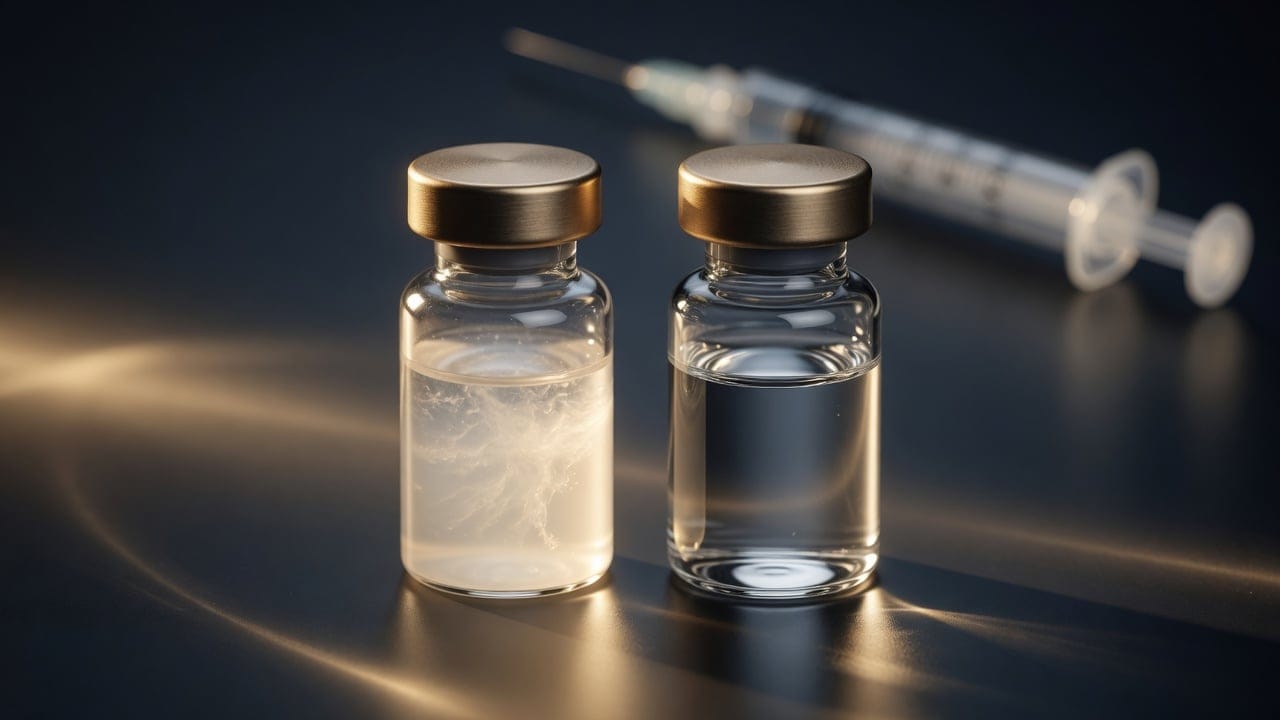
Why AOD-9604 Turns Cloudy in Bacteriostatic Water
AOD-9604 often reconstitutes to a cloudy or milky solution in bacteriostatic water. Learn why the benzyl alcohol preservative causes opalescence, when cloudiness is benign vs. a problem, and how to reconstitute for a clear solution.
Read article guides
A Top Peptide Lab Says Most Testing Is 'Completely Useless' — Here's What Actually Matters
Heavy metals, endotoxins, and sterility tests sound reassuring — but for synthetic research peptides they tell you almost nothing. Here is why purity (HPLC) and net peptide content are the only two numbers that determine quality and value.
Read more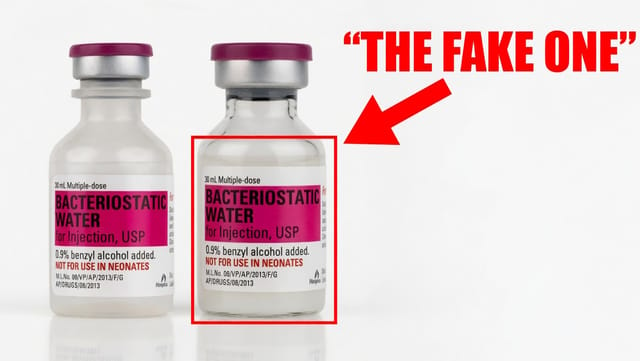 guides
Counterfeit Bacteriostatic Water: How the Wrong Diluent Contaminates Research Peptides
Why diluent quality matters in peptide reconstitution. Learn how counterfeit or off-spec bacteriostatic water introduces particulates, microbial contamination, and cloudiness that ruin research-grade peptide solutions.
Read more guides
How to Spot a Forged Peptide COA: Verifying Reports from Janoshik, Freedom Diagnostics, and Other Third-Party Labs
Forged Certificates of Analysis circulate widely in the research peptide market. Learn how to verify a real report from Janoshik Analytical, Freedom Diagnostics, and other third-party labs — step-by-step verification, common forgery patterns, and red flags.
Read more guides
Calculating Peptide Reconstitution Volumes: A Complete Researcher's Guide
Step-by-step guide to calculating peptide reconstitution volumes. Learn the formulas, how to account for peptide content and counterion, worked examples, and common mistakes.
Read more guides
How to Read a Peptide Certificate of Analysis (COA): A Researcher's Guide
Complete guide to interpreting a peptide Certificate of Analysis. Learn what HPLC purity, mass spec confirmation, water content, counterion, and endotoxin values actually mean.
Read more metabolic
Retatrutide Research Overview: The Triple Agonist Frontier
Comprehensive research overview of retatrutide, the GLP-1/GIP/glucagon triple receptor agonist peptide. Mechanism, preclinical data, engineering, and comparison to dual agonists.
Read more metabolic
Tirzepatide vs Semaglutide: Mechanism, Pharmacology, and Research Comparison
Compare tirzepatide and semaglutide research peptides head-to-head. Differences in receptor targets, half-life, preclinical efficacy, and metabolic outcomes explained.
Read more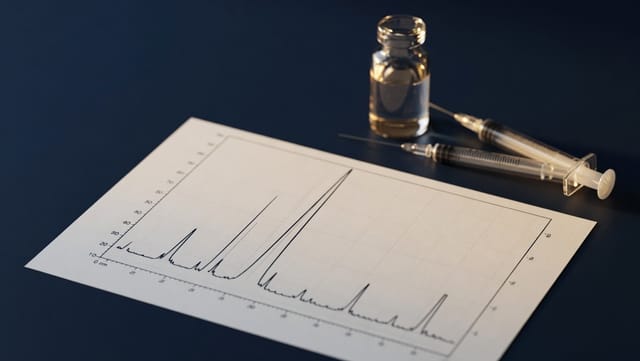 guides
Peptide Purity Testing: HPLC, Mass Spectrometry, and What 99%+ Actually Means
Learn how peptide purity is measured using HPLC, mass spectrometry, and amino acid analysis. Understand what 99%+ purity means, common impurities, and how to read a Certificate of Analysis.
Read more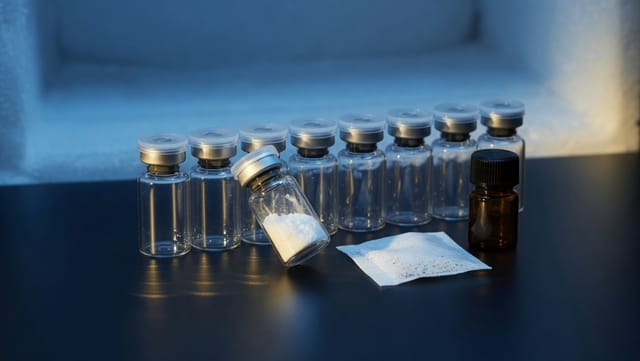 guides
Peptide Stability: Degradation Pathways, Environmental Factors, and Shelf Life
Understand how temperature, pH, light, and oxidation affect peptide stability. Learn about common degradation pathways in synthetic peptides and how to maximize shelf life for research applications.
Read more healing
BPC-157 Research Overview: Mechanisms, Studies, and Applications
Comprehensive overview of BPC-157 peptide research including mechanisms of action, key preclinical studies, and current research applications in tissue repair and regeneration.
Read more metabolic
What Are Incretin Agonists? Understanding GLP-1, GIP, and Multi-Receptor Peptides
Learn about incretin agonist peptides including GLP-1, GIP, and dual/triple receptor agonists. Understand mechanisms, receptor signaling, and current research applications.
Read more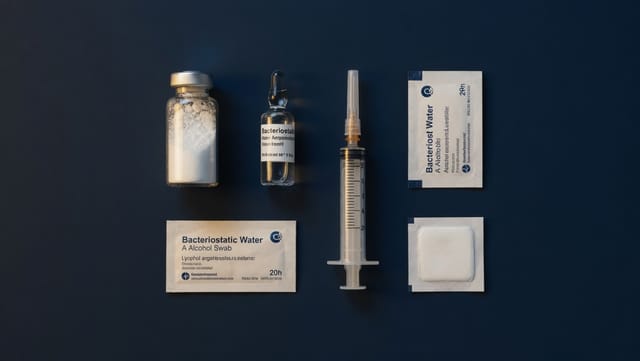 guides
Peptide Storage and Reconstitution: A Laboratory Guide
Complete guide to peptide storage, reconstitution, and handling for research laboratories. Covers lyophilized powder storage, bacteriostatic water reconstitution, and stability protocols.
Read more