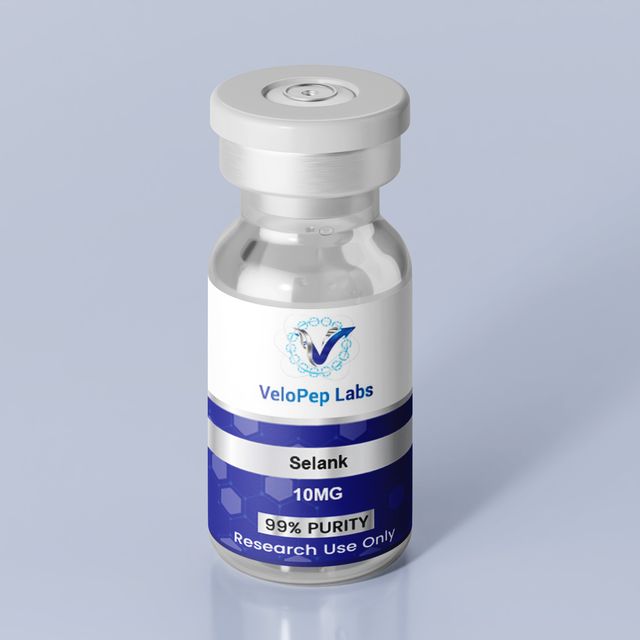
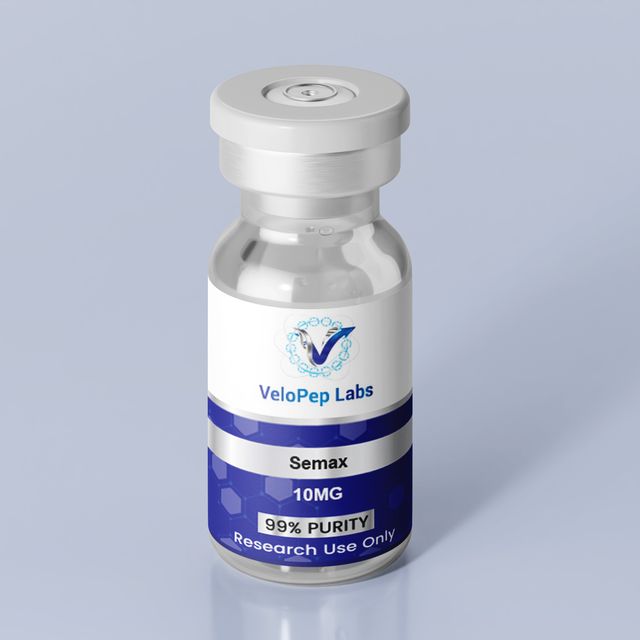
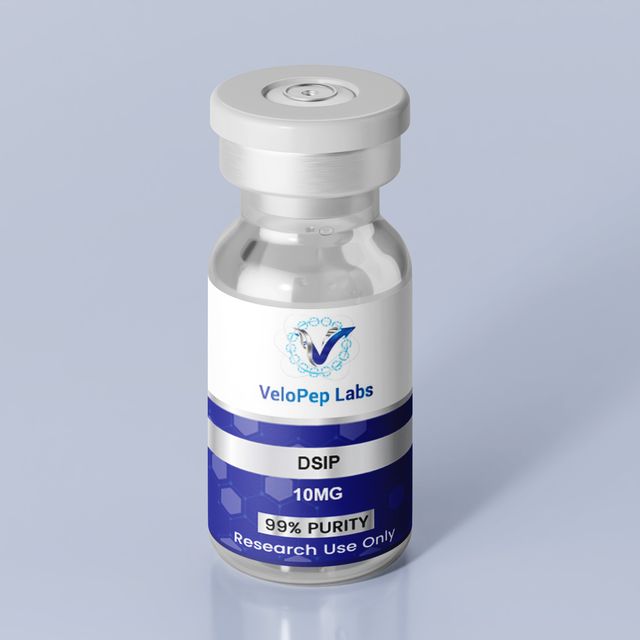
Oxytocin Acetate
Neuropeptide Hormone • 9 Amino Acids
CAS: 50-56-6
Oxytocin is a nine-amino-acid cyclic neuropeptide synthesized in the paraventricular and supraoptic nuclei of the hypothalamus and released into systemic circulation by the posterior pituitary. It acts at the oxytocin receptor (OXTR) — a Gq/11-coupled GPCR expressed across reproductive tissues, the amygdala, nucleus accumbens, prefrontal cortex, and brainstem nuclei. Beyond its classical roles in parturition and lactation, oxytocin has become one of the most extensively studied neuropeptides in social cognition, pair-bonding, attachment, and anxiolytic research, with thousands of published preclinical and clinical studies spanning rodent, non-human primate, and human models.
Key Research Findings:
- Prairie vole pair-bonding studies established oxytocin's causal role in monogamous attachment formation via OXTR expression in the nucleus accumbens and ventral pallidum
- Human research on intranasal oxytocin reported improved facial emotion recognition and increased trust-related decision-making across multiple randomized protocols
- Amygdala-focused fMRI studies showed reduced reactivity to fearful stimuli following a single intranasal dose, with downstream implications for anxiolytic research
- Receptor binding assays report Kd values in the low-nanomolar range (~1–2 nM mean, with reported values from 0.56 to ~9 nM across studies) at OXTR, with selectivity over the structurally related vasopressin receptors (V1aR, V1bR, V2R)
- Parturition research demonstrates dose-dependent uterine smooth-muscle contraction mediated via Gq-coupled PLC/IP3/Ca²⁺ signaling
For laboratory and research use only.
Ships tomorrow
Today's 2:30 PM EST cutoff has passed

Technical Details & Purity Analysis
Documented Studies & Applications
This peptide is intended for laboratory research purposes only. Below are documented research applications.
Storage & Reconstitution
Storage Conditions
Store lyophilized peptide at -20°C for long-term storage (up to 24 months). For short-term storage (up to 4 weeks), 4°C is acceptable. Keep away from light and moisture.
Reconstitution
Reconstitute with bacteriostatic water or sterile water. Add solvent slowly down the side of the vial. Do not shake vigorously. Store reconstituted peptide at 4°C.
Handling Precautions
Handle with appropriate laboratory safety equipment. This product is for research use only and not for human consumption.
Complete Your Order
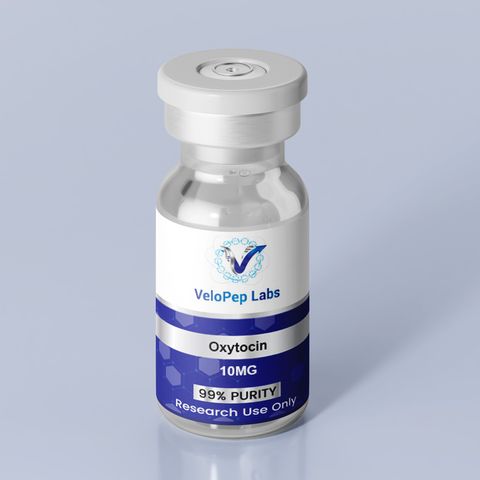
Bundle total for 4 items
$255.96